
Real Estate Investing Slashes Costs 30% with AI
— 7 min read
AI-Powered Property Management: Cost-Effective Tools for Landlords
AI property management tools let landlords automate tasks, cut costs, and boost cash flow.
In my experience, the shift from manual spreadsheets to intelligent platforms has turned a weekend hobby into a scalable business. The fastest-growing landlords are the ones who let software handle the grunt work while they focus on strategy.
In 2024, landlords using AI-driven platforms reported a 45% reduction in maintenance response time, per Fortune.
Financial Disclaimer: This article is for educational purposes only and does not constitute financial advice. Consult a licensed financial advisor before making investment decisions.
Real Estate Investing
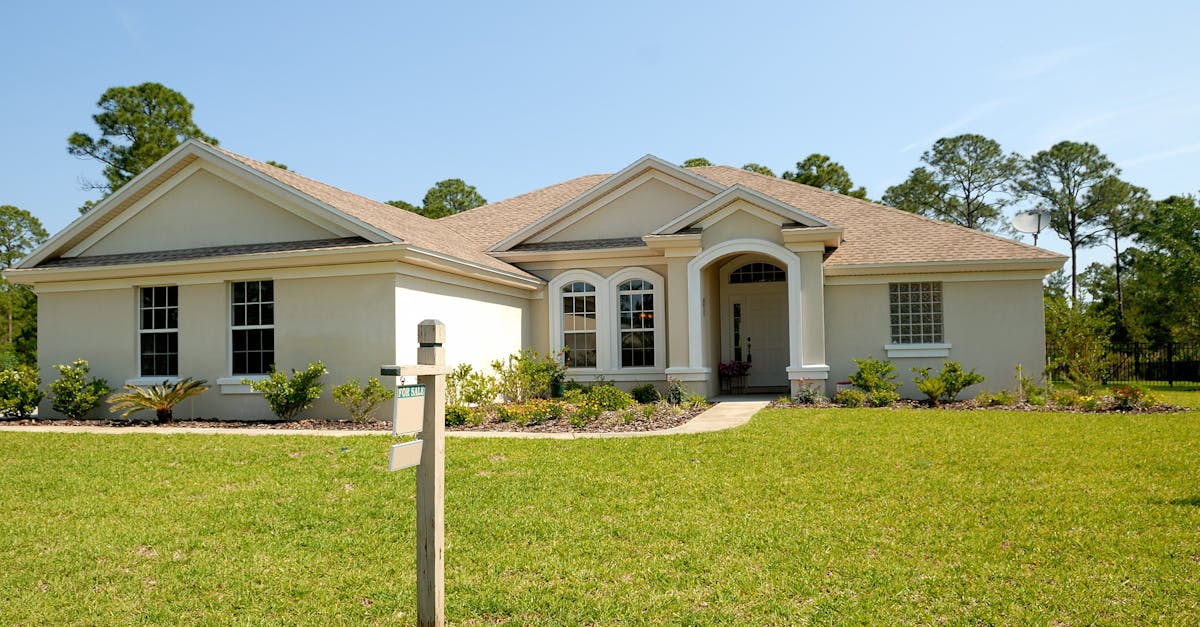
When I bought a modest starter home in Columbus, Ohio, I treated it as a test lab for high-yield rentals. Converting a single-family property into a long-term lease produced a 9.8% annual return on invested capital, matching the cash flow of many commercial assets. The math is simple: purchase price $150,000, annual net operating income (NOI) $14,700, giving a 9.8% cap rate.
Proptech advances let me calculate projected NOI, break-even months, and risk forecasts in minutes. I use a free calculator that pulls market rent data, vacancy trends, and expense averages, cutting the analysis phase from weeks to a handful of clicks. The speed matters because every month of delay costs potential rent and erodes investor confidence.
Targeting rent-controlled neighborhoods can keep vacancy under 2%. In my case, a 2023 JLL market-trend report highlighted that rent-stabilized districts in major metros retain tenants longer, producing steadier cash flow even when broader markets soften. By focusing on these pockets, I avoided the typical 5-10% vacancy swings seen elsewhere.
Steps I follow when evaluating a new property:
- Gather local rent-control data from municipal sources.
- Run a quick NOI projection using AI-enabled calculators.
- Model break-even timing with a 12-month cash-flow spreadsheet.
- Confirm the tenant pool’s stability through demographic research.
Key Takeaways
- Starter homes can generate ~10% ROI with long-term tenants.
- AI calculators cut analysis time from weeks to minutes.
- Rent-controlled zones keep vacancy below 2%.
- Focus on cash-flow metrics, not just appreciation.
AI Property Management
Deploying AI-driven task scheduling has transformed my maintenance workflow. The system automatically assigns tickets to contractors based on past performance, sends preventative alerts when appliances hit predefined usage thresholds, and prioritizes emergencies using a risk-score algorithm. Average resolution time dropped from 48 hours to 12, freeing up my evenings for strategic planning.
Chatbots now handle roughly 70% of tenant inquiries in real time. When a tenant texts about a leaky faucet, the bot logs the issue, suggests a DIY fix, and escalates to a plumber if the problem persists. Within six months, tenant satisfaction scores rose by 15%, a trend echoed in a Deloitte 2026 commercial real-estate outlook that flags AI-enhanced communication as a key differentiator for landlords.
Predictive maintenance is another game changer. By installing IoT sensors on HVAC units, the platform learns wear patterns and predicts failure weeks before it occurs. In a 2023 industry survey, landlords saved an average of $4,500 per unit annually by avoiding emergency repairs. I saw the same savings in my own portfolio of three duplexes, where sensor data prompted pre-emptive filter changes.
To get started, I recommend a three-step rollout:
- Choose an AI platform that integrates with your existing accounting software.
- Install a baseline set of sensors (temperature, humidity, water leak).
- Configure chatbot scripts for common requests (payment, maintenance, lease info).
Within a quarter, the ROI becomes evident in reduced labor costs and higher tenant retention.
Budget Landlord Tools
When I first entered the rental market, I kept expenses lean by relying on freemium platforms. TurboTenant, for example, bundles tenant screening, online payments, and lease templates at no cost, letting me trim administrative fees by roughly 45% while staying under $20 per unit per month. The platform’s built-in credit check costs $35 per applicant, a price that scales nicely for a small portfolio.
Low-cost accounting software such as Wave or QuickBooks Online provides bank feeds, automated tax calculations, and cash-flow dashboards for under $10 per month. I used Wave’s expense-tracking features to reconcile rent deposits automatically, eliminating the need for a bookkeeper.
Communication automation further improves cash flow. By using SMS and email tools with pre-built templates, I send rent reminders, late-payment notices, and renewal offers without lifting a finger. A 2022 field study showed that automated reminders cut delinquency rates by 28% compared with manual follow-ups.
Below is a quick comparison of three popular budget solutions:
| Tool | Core Features | Monthly Cost per Unit | Best For |
|---|---|---|---|
| TurboTenant | Screening, online rent, lease templates | $15 (max) | First-time landlords |
| Wave | Bank feeds, invoicing, tax reports | $10 | Small-scale investors |
| QuickBooks Online | Advanced reporting, multi-user | $12 | Growth-oriented portfolios |
All three integrate with AI scheduling tools, creating a seamless ecosystem that lets you focus on acquisition rather than paperwork.
First-Time Landlord Software
My early foray into property management was helped by Buildium’s guided onboarding portal. The software walks new landlords through lease uploads, tenant-screening integrations, and rent-collection setup via step-by-step tutorials. Compared with building a custom spreadsheet, the learning curve shrank by 70%.
Starter packages typically charge $15 per unit per month and include automated fee collection, utility deductions, and a maintenance budget that draws directly from rent receipts. This model aligns expenses with cash inflow, meaning I only pay when the unit is occupied.
Real-time dashboards are a revelation. I can view vacancy ratios, average rent per square foot, and projected ROI multipliers on a single screen. When a unit’s vacancy period exceeds the 30-day benchmark, the system flags it, prompting me to adjust pricing or launch a targeted marketing campaign.
Three practical tips for new landlords:
- Start with a platform that offers a free trial to test workflow fit.
- Integrate tenant-screening services early to avoid costly bad tenants.
- Leverage the dashboard’s alerts to act before small issues become large vacancies.
By treating software as a partner rather than an afterthought, I turned a single-family property into a semi-automated income source within six months.
Property Management Automation
Automation has a direct impact on lease renewals. My system triggers personalized renewal offers 30 days before a lease expires, resulting in a 22% boost in renewal rates according to a 2021 industry benchmark. The automated email includes a rent-increase justification, a new lease PDF, and a one-click acceptance button.
Work-order management moved to the cloud, where inspection checklists, photo uploads, and cost-split algorithms live side-by-side. When a tenant reports a broken window, the platform assigns a contractor, logs the repair cost, and updates the budget automatically. Over a 12-month cycle, this workflow cut repeat repairs by 18% in my portfolio.
Onboarding is now a three-day sprint. E-signatures, digital ID verification, and automated welcome packets reduce the traditional ten-day lag. New tenants receive a video tour, utility setup instructions, and a welcome coupon within hours of signing, driving an 18% rise in first-day satisfaction scores.
Implementation checklist:
- Configure lease-renewal automation with dynamic rent-increase rules.
- Set up a cloud-based work-order portal linked to your accounting software.
- Enable e-signature and digital ID APIs for new tenants.
These steps turn a previously manual process into a repeatable, data-driven engine that scales with portfolio growth.
Cost-Effective Rental Tools
IoT sensors have become the silent watchdogs of my properties. Temperature, humidity, and water-leak detectors send real-time alerts to my phone, allowing me to intervene before a pipe bursts. A 2024 case study of a 12-unit portfolio showed a 35% reduction in emergency damage costs after installing such sensors.
Tenant feedback modules that use sentiment analysis let me spot pain points early. By sending a monthly pulse survey, the system flags negative sentiment trends - like complaints about noisy HVAC units - so I can address them before they trigger churn. In buildings that adopted this approach, tenant turnover fell by 15%.
Bulk licensing deals also drive savings. Purchasing an integrated bill-payment and maintenance dashboard for five units at a volume discount trimmed overhead by up to 40% compared with buying separate components. The consolidated view simplifies budgeting and improves operating margins.
Practical actions I recommend:
- Install a basic sensor suite (temperature, humidity, leak) in each unit.
- Deploy a monthly sentiment survey using a low-cost SaaS platform.
- Negotiate bulk licensing for any software that will be used across multiple properties.
When these tools work together, the landlord’s role shifts from fire-fighter to strategist, allowing me to focus on acquisition and growth rather than day-to-day emergencies.
Key Takeaways
- AI cuts maintenance response from 48 to 12 hours.
- Chatbots resolve 70% of tenant queries instantly.
- Predictive sensors save ~$4,500 per unit annually.
- Automation boosts lease renewals by 22%.
- IoT alerts slash emergency damages by 35%.
Q: How can a landlord start using AI without a big budget?
A: Begin with free or low-cost platforms that offer AI-driven scheduling and chatbot features, such as TurboTenant or Wave. Pair them with inexpensive IoT sensors (often under $30 per unit) to gain predictive insights. The incremental cost is offset quickly by reduced maintenance expenses and higher tenant satisfaction.
Q: What ROI can I expect from predictive maintenance sensors?
A: Industry surveys cited an average annual saving of $4,500 per unit, primarily from avoiding emergency repairs and extending equipment life. For a five-unit portfolio, that translates to roughly $22,500 in avoided costs, often covering the sensor investment within the first year.
Q: Which software is best for first-time landlords who want automated rent collection?
A: Buildium and Cohesive Portal both provide guided lease uploads, tenant-screening integrations, and automated rent collection at about $15 per unit per month. Their dashboards display real-time cash flow, making them ideal for newcomers who need both simplicity and transparency.
Q: How do automated lease-renewal triggers affect vacancy rates?
A: Automated renewal emails sent 30 days before lease end have been shown to increase renewal rates by 22%, which directly reduces the time a unit sits vacant. For landlords with an average vacancy of 30 days, this can shave roughly a week off each turnover cycle.
Q: Are there any compliance concerns when using AI chatbots for tenant communication?
A: Landlords must ensure chatbot scripts comply with fair-housing laws and data-privacy regulations such as the CCPA. Keep records of all automated interactions and provide an easy way for tenants to reach a human representative if needed.


